Critics condemn reform as new avenue to educational inequality

by Tim Carpenter, Kansas Reflector
Topeka — State Rep. Sean Tarwater contends public school barriers to student transfers amount to academic segregation that must be cured with a state law establishing a mechanism for movement out of failing districts to high achieving districts.
Rep. Tarwater, a Stilwell Republican and member of the House K-12 Budget Committee, said concentrated opposition to the legislation came from the excellent Andover and Johnson County school districts not eager for a rush of students from the struggling districts in Wichita or Kansas City, Kansas. A bill tentatively approved by House members would require districts to accept nonresident students if there was space in classrooms.
“This bill was created because we have some real prominent school districts right next to some failing school districts,” he said. “This type of segregation results in opportunities for some people, but it also stands up some pretty big barriers to some other people.”
Tarwater said it was ironic opponents of student transfer bills in the House and Senate were the same folks who challenged the idea of scholarships or vouchers for students to attend private schools.
“To me,” he said, “it sounds like discrimination and an intentional act to keep certain demographics from achieving success.”
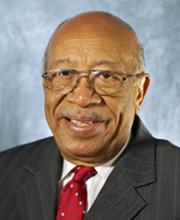
Rep. Valdenia Winn, a Democrat from Kansas City, Kansas, said she was fervently opposed to the bill because it would exacerbate educational inequality among students. It could be a violation of constitutional requirements for equitable funding of public schools, she said.
Rep. Winn said the bill also would disenfranchise students in families without resources to drive a child to the alternative school. No provision of House Bill 2615 would provide state funding for transportation of the transfer students.
“Now, some of you are saying, ‘I am so sick and tired of this woman coming up and talking about poor versus rich, haves and have-nots.’ And, that’s fine. This policy will isolate the lowest income, the most disadvantaged students into the highest poverty districts,” Rep. Winn said.
Under the bill set for a vote Wednesday in the House, each school district would be required to create a policy by January to establish enrollment capacity limits by grade level and school building. Students would be able to apply to districts outside their residential area if the alternative district had open seats. A district wouldn’t have to accept a student if there was evidence of problems with absenteeism, suspensions or expulsions.
A district would be prohibited under the House bill from assessing special tuition or fees for these nonresident students. Applicants accepted by a new district would receive a one-year waiver. The Kansas State Board of Education would audit one school district each year to assess compliance with the law. A portion of educational funding would follow the student to the new district.
Lawrence Rep. Barbara Ballard, a Democrat who served on the Lawrence school board for eight years, said the bill was result in poor public policy. She said the Legislature ought to quit sticking its nose into decisions best left to local school boards or the state Board of Education.
“Do you not trust the judgment of the state Board of Education?” Rep. Ballard said. “They’re elected the same way we are elected. I think we have enough to do as legislators.”
Rep. Jerry Stogsdill, a Democrat from Prairie Village, said the five superintendents of schools in Johnson County were convinced the House bill was “going to be an administrative nightmare. They said it was going to be a mess.”
Earlier in the week, the Kansas Senate approved its own version of legislation greasing the wheels for students who want to transfer outside their home district boundary. The Senate would alter the process of transferring K-12 students to new districts that had space starting in 2023.
Senate Minority Leader Dinah Sykes, a Lenexa Democrat, said the reform could prompt Missouri parents to enroll their children in better schools in Kansas to avoid paying tuition costs at private schools.
“This bill does not benefit students and communities with schools that are least equipped to address their needs,” Sen. Sykes said.
About 20,000 students in Kansas are enrolled in districts outside their individual residential area. More than nine out of 10 Kansas districts reported accepting nonresidential students into their schools.
Kansas Reflector stories, www.kansasreflector.com, may be republished online or in print under Creative Commons license CC BY-NC-ND 4.0
See more at https://kansasreflector.com/2022/03/23/house-senate-push-bills-easing-path-for-transfer-of-students-among-districts/.