Fire quickly extinguished at highrise

A pumper crew made a quick attack with a water can to suppress a fire in the kitchen area at a highrise at 3100 Powell Ave., Kansas City, Kansas.

The fire happened after midnight on Nov. 20.

Crews found a man asleep in a bedroom when they searched the apartment, according to a Fire Department spokesman. The resident was evacuated and taken to the hospital.

An initial investigation showed evidence of an unattended cooking fire on an electric stove, the spokesman stated. The fire spread to the cabinetry above and to countertop items. Heavy heat and smoke damage was reported in the kitchen area and throughout the apartment, according to the spokesman.

One firefighter was treated for dehydration and released, the spokesman stated.

Getaway driver pleads guilty in Village West robbery

An Illinois man pleaded guilty Monday to being the getaway driver in a $53,000 hold up at a Verizon store in 2016 in Village West, U.S. Attorney Tom Beall said. The robbers held store employees at gunpoint and bound them with zip ties.

Terry Curtis, 34, Rockford, Ill., pleaded guilty to one count of commercial robbery.

In his plea, he admitted that on Sept. 14, 2016, he was involved when four men robbed the Verizon Wireless store at 10621 Village West Parkway.

Two of the robbers entered the store, followed two minutes later by the other two.

The robbers locked the door and ordered the employees and a customer into a break room. The robbers ordered them to lay face down on the floor and tied their hands behind their backs.

The robbers forced an employee to open a safe before they fled the store with phones and cash worth $53,000. Eventually, an employee managed to get loose and call police.

Investigators used surveillance photos from the robbery to tie the Kansas City, Kan., robbery to a similar robbery weeks earlier at an AT&T Store in Rochester, Minn.

They also received an anonymous call that led them to one of the co-defendants who was on parole in Illinois.

During the investigations, agents learned that some of the defendants in the Verizon robbery were part of a group involved in dozens of similar robberies in several states.

Curtis’ sentencing will be set for a later date. Both parties have agreed to recommend 72 months in federal prison.

Co-defendants who are awaiting trial include:
Mario Lambert, 33, Rockford, Ill.
Sir T. Love, 32, Rockford, Ill.
Domonique V. Walker, 26, Rockford, Ill.
Sharod Pitts, 35, Chicago, Ill.

Beall commended the Kansas City, Kan., Police Department, the Bureau of Alcohol, Tobacco, Firearms and Explosives and Assistant U.S. Attorney Terra Morehead for their work on the case.

FCC approves rules to block robocalls from fake phone numbers

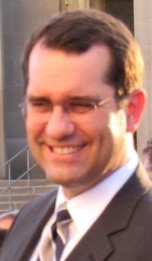
Kansas Attorney General Derek Schmidt (File photo)

A new rule adopted last week by the Federal Communications Commission will allow telephone providers to block calls originating from certain fake phone numbers, a move aimed at reducing the amount of robocalls consumers receive, Kansas Attorney General Derek Schmidt said.

Schmidt, along with a bipartisan coalition of 29 other state attorneys general, submitted a comment letter in July in support of the new rules, which will allow providers to block several types of “spoofed” calls, in which a call appears to be coming from one number, but is actually coming from a different number.

Scammers frequently use spoofed calls to hide their identity and to trick consumers into believing that their calls are legitimate, according to the attorney general’s office. The use of these spoofed numbers is particularly prevalent in scams where the caller pretends to be calling from the Internal Revenue Service, law enforcement agencies or utility companies.

Under the new rules, providers would be allowed to block calls coming from invalid numbers, unallocated numbers, and numbers whose owners have requested they be blocked.

For example, phone providers would be able to block a scammer that is using a telephone number that clearly can’t exist because it hasn’t been assigned.

“Combating the plague of robocall scams requires technological solutions,” Schmidt said. “The adoption of this rule by the FCC will allow telephone providers to block calls that are clearly fraudulent and protect consumers from these scam artists. This won’t solve the robocall problem entirely, but it should help.”

In its release announcing approval of the new rule, the FCC stated that U.S. consumers received approximately 2.4 billion robocalls per month in 2016. In a pilot project using the new system that now is approved nationwide, the amount of IRS scam calls was reduced by about 90 percent, the FCC said.